
The lack of sufficient healthcare services has undermined the right to health for millions of Afghans and has left the population vulnerable to disease and other consequences of inadequate medical care. Women and girls have been disproportionately affected by the healthcare crisis, as they face increased obstacles in accessing healthcare due to the ban on education and workforce participation. According to the WHO, 14 million people, including 7.5 million children and 3.1 million women, are currently targeted for health assistance.
With our Healthcare program, we are supporting the Indira Gandhi Children’s Institute and providing sustainable aid on the long term for the hospital. Our focus is mainly on combating malnourished children, but we also help other wards within the hospital to make sure every child gets a fair chance for a brighter future.

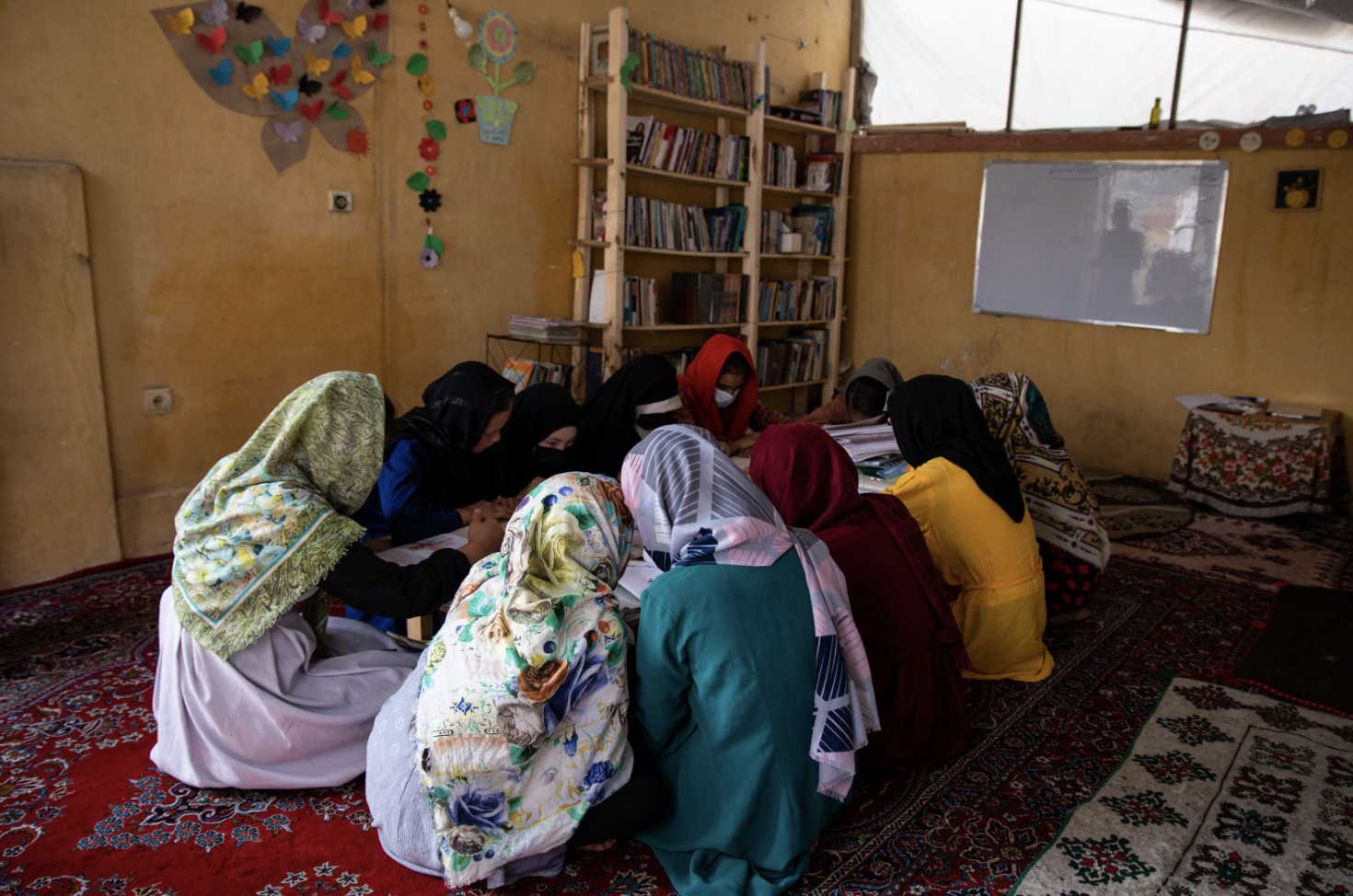
No country can move forward when half it’s population is left behind. Millions of children and young people in Afghanistan, particularly girls and young women, are currently denied access to education. A report published by UNESCO in 2024 indicated that at least 1.4 million girls have been prohibited from accessing secundary education since 2021. Since 2022, women have also been banned from governmental universities, denying access to higher education to more than 100.000 young women. Now, a generation in crisis faces an uncertain future.
With our Education program, we work hard together with our donors and partners, to support young girls and women having an education through our scholarschips at private universities to keep the educational infrastructure going where it’s possible. You can support an Afghan girl having an education again by donating 45 euro monthly.
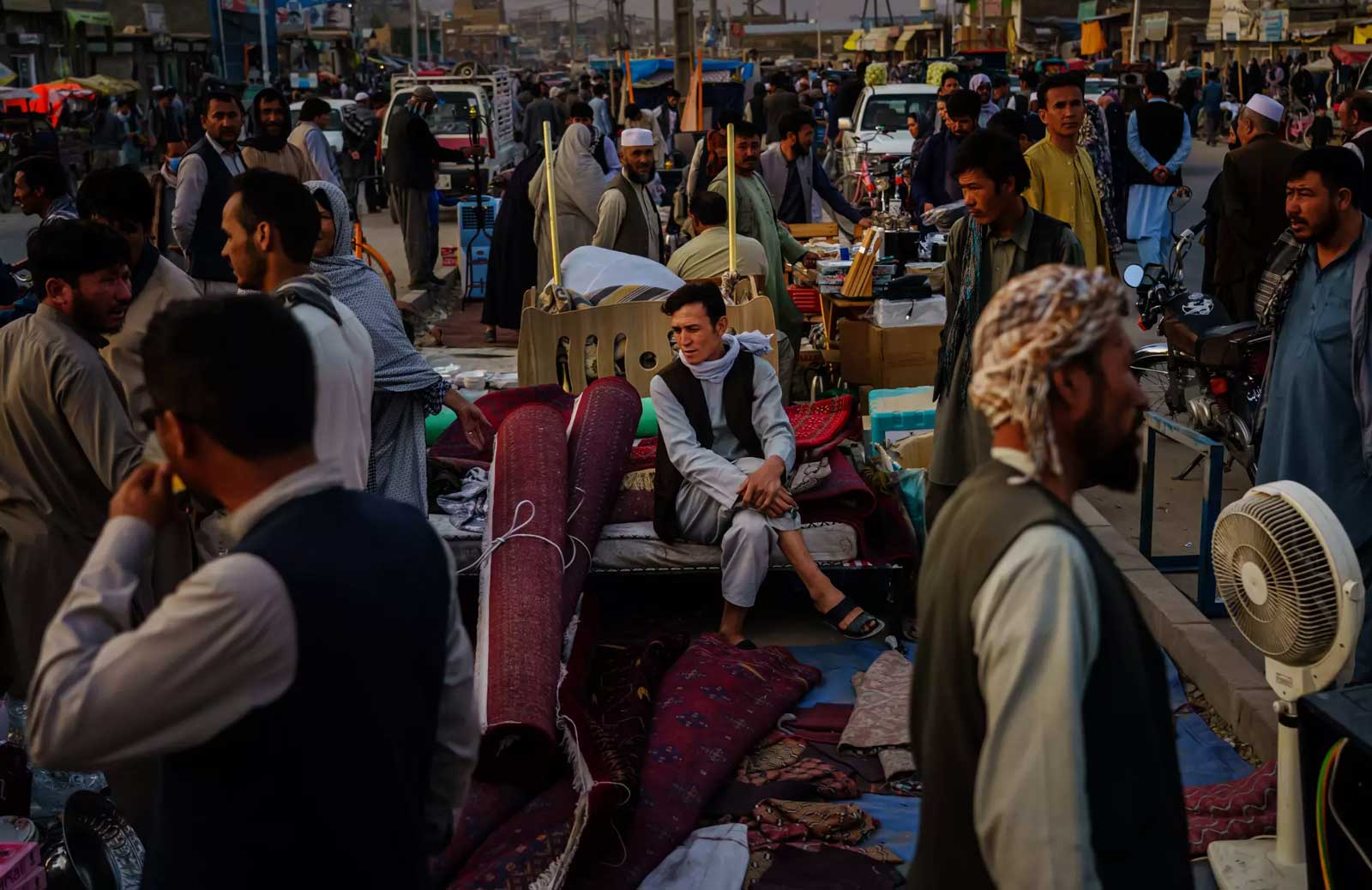
Afghanistan is one of the poorest and least developed nations in the world, ranked 182 out of 193 countries and territories on the Human Development Index. The Afghan population is also facing economy-wide price deflation, currency shortages, weakened purchasing power, outbreaks of disease, damage to critical infrastructure, and the deterioration of basic public services. Afghans have limited access to shelter, education, healthcare, electricity, food, clean water, and sanitation systems. At the moment, nearly 15.8 million Afghans are facing acute food insecurity.
With our Economic well-being program, we support Afghans in the most critical areas through the provision of cash, voucher assistance and food packages together with the help of our local partners. You can support a family in need for a month with just 65 euro.
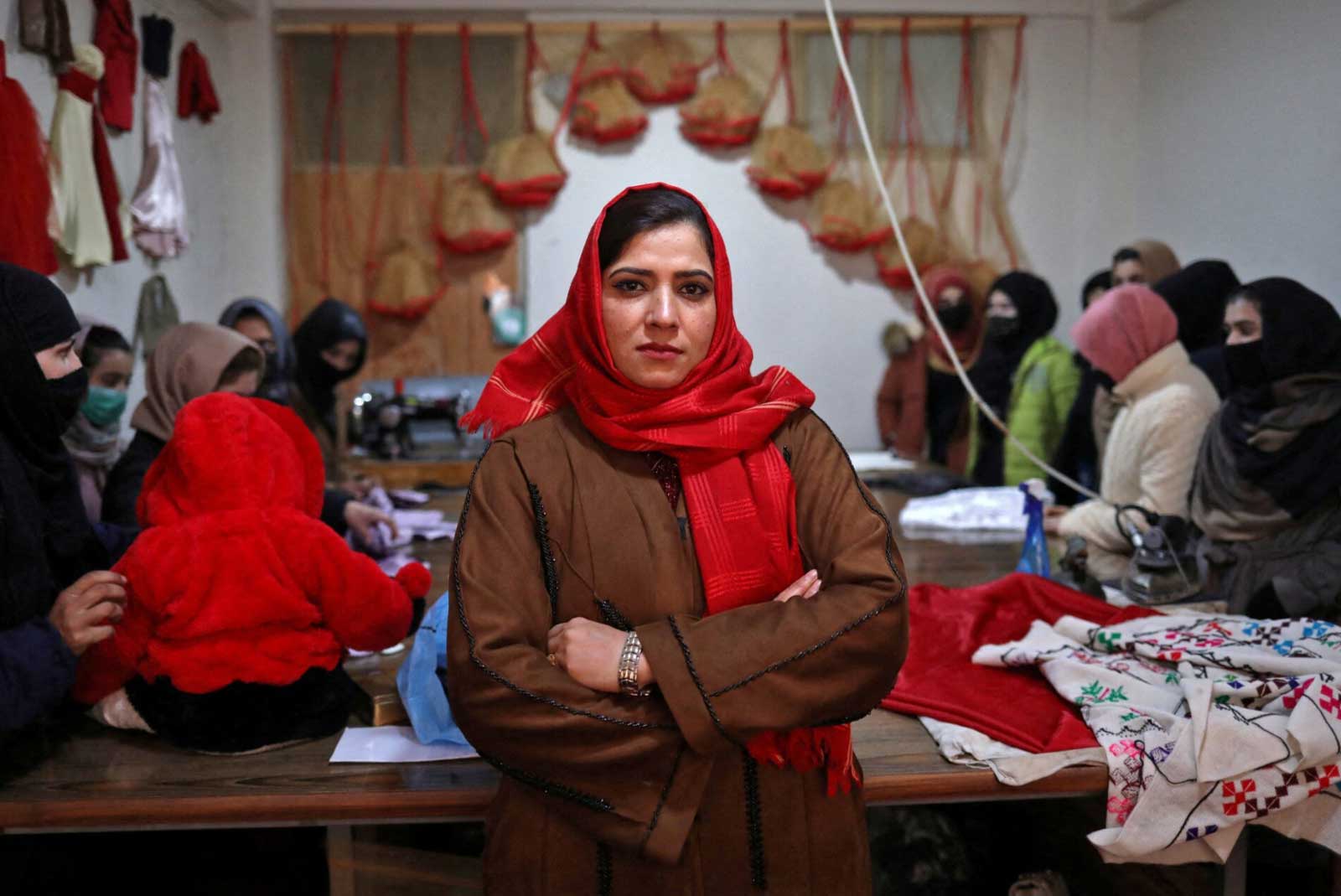
Rebuilding the women’s movement in Afghanistan, one step at a time, by building skills, capacity and hope for women in the country. Focusing on the most vulnerable women, including illiterate women and women with disabilities, we want to provide training and funding for women-led business. According to the International Labour Organization data, women’s employment rate was 25 percent lower by the end of 2022 compared to before the DFA takeover in 2021. With women also banned from working in national and international NGO’s, and allowed to pursue a limited number of professions and run home-based small business, this program is providing an essential lifeline for women to build their skills for future work and restore their hope.
With our Empowerment program, we want to empower Afghan women to recover and rebuild their lives through various projects. Support a women led business with just 30 euro monthly.